Freedom Camping Etiquette
Share
Freedom Camping Etiquette in New Zealand
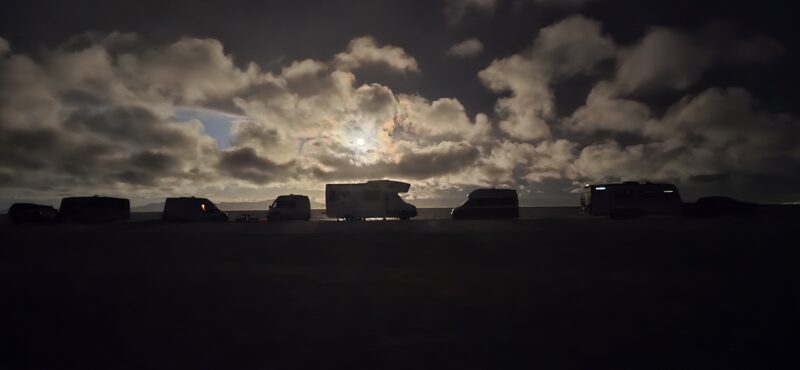
Freedom camping is one of the best ways to experience New Zealand – waking up to epic views, travelling at your own pace, and enjoying real freedom on the road. But with that freedom comes responsibility.
This guide covers the essential freedom camping etiquette every campervan traveller should know, helping protect New Zealand’s environment, respect local communities, and ensure freedom camping remains available for future travellers.
What Is Freedom Camping?
Freedom camping generally means staying overnight in a public place that is not a commercial campground. In New Zealand, this is regulated by local councils and comes with specific rules – most importantly around self-containment, location, and behaviour.
Freedom camping is a privilege, not a right – and good etiquette plays a huge role in keeping it that way.
- Camp Only Where It’s Allowed
Always check local rules before stopping for the night.
Good etiquette means:
- Using apps like CamperMate or council websites to confirm freedom camping is permitted
- Respecting signage – if it says “No Overnight Camping”, don’t push it
- Parking only in designated freedom camping areas where required
Camping illegally puts pressure on councils and leads to more bans.
- Be Properly Self-Contained
If a site requires certified self-containment, make sure your vehicle truly meets the standard.
That means:
- Using your onboard toilet when needed
- Having enough fresh water and wastewater capacity
- Never dumping waste anywhere except approved dump stations
If you can’t be self-contained for your trip, choose campgrounds instead.
- Leave No Trace (Yes, Really)
This is the golden rule of freedom camping etiquette.
- Take all rubbish with you
- Don’t leave food scraps, toilet paper, or wipes behind
- Avoid damaging grass, plants, or dunes
If you brought it in, take it out – even if it’s biodegradable.
- Respect Locals and Other Campers
Freedom camping spots are often close to towns, homes, or shared public spaces.
Be considerate by:
- Keeping noise low, especially early mornings and evenings
- Avoiding blocking driveways, boat ramps, or walkways
- Giving other campers space – don’t crowd in if the area is full
A good rule: camp as if someone’s home is right next door.
- Arrive Late, Leave Early
Many councils encourage this unofficial rule.
- Arrive in the evening
- Stay one night only unless otherwise stated
- Leave the area tidy by mid-morning
Freedom camping isn’t about setting up for days – it’s about low-impact overnight stays.
- Use Facilities Thoughtfully
Public toilets, picnic tables, and water taps are shared spaces.
- Leave toilets cleaner than you found them
- Don’t wash dishes or yourself in public sinks unless clearly allowed
- Use dump stations properly and responsibly
Poor behaviour here is one of the biggest reasons sites get closed.
- Fires, Drones & Pets: Check Before You Act
- Fires are often prohibited – check local fire rules
- Drone use may be restricted, especially near DOC land
- Keep pets under control and respect wildlife
Just because you can do something doesn’t mean you should.
Why Freedom Camping Etiquette Matters
Every year, freedom camping rules become tighter due to misuse. Responsible behaviour helps:
- Protect natural landscapes
- Maintain good relationships with local communities
- Keep freedom camping areas open
Your actions affect everyone who travels after you.
Final Thoughts: Freedom Comes With Responsibility
Freedom camping is one of the most rewarding ways to explore New Zealand – but only when done right.
By following these simple etiquette rules, you help preserve the places you love, travel respectfully, and ensure freedom camping remains part of the Kiwi road trip experience for years to come.
Tip: Always double-check local council rules and signage, as freedom camping regulations can vary widely across New Zealand.